
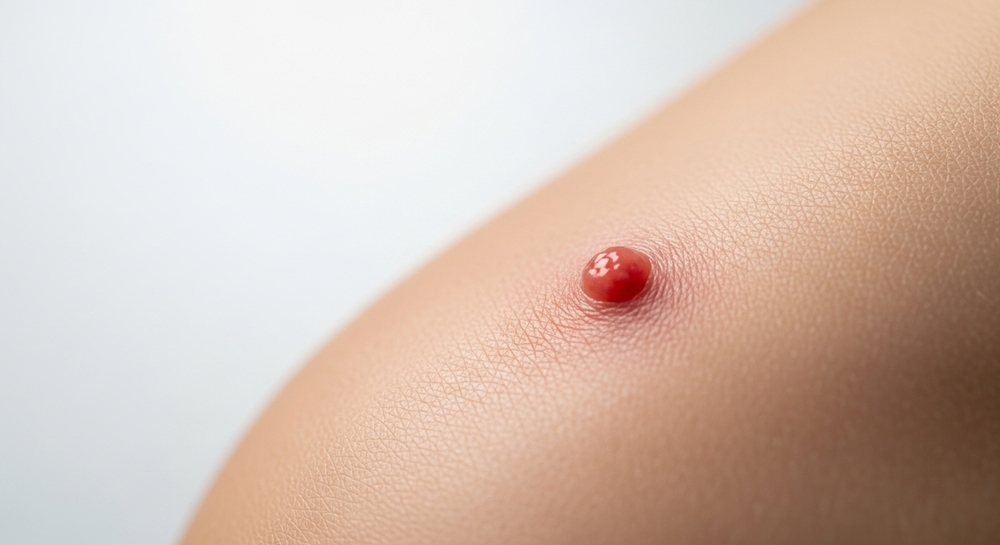
There are a few other kinds of conditions that can sometimes be mistaken for acne in certain cases, and Staph infections are a common example. Staph infections sometimes appear in similar ways to acne and can be mistaken for it as a result, but being able to tell the two apart is important to receive the proper treatment.
At Skintherapy Skincare & Acne Clinic, we're proud to offer the best acne treatments and related services at our skincare clinic in Salt Lake City, Utah, with estheticians who are experts at identifying acne versus other potential skin issues. While we don't directly treat Staph infections, our estheticians are quite familiar with these issues and how to tell them apart from acne - and we'll even make recommendations on ideal doctors to speak to if it turns out your issue is indeed a Staph infection. Here are some basics on Staph infections and why they're a risk, plus some of the basic indicators our estheticians will use to identify them separately from acne.
What exactly is a Staph infection, and how does it differ from acne? Staph infections are caused by the bacteria known as Staphylococcus aureus, which is commonly found on the skin and in the nose. While this bacterium is typically harmless, if it enters your body through a cut or wound, it can cause an infection. This is where things can become dangerous, as Staph infections can lead to serious health complications if left untreated.
Staph infections are highly contagious and can spread easily through person-to-person contact or by touching contaminated surfaces. It's important to note that while anyone can develop a Staph infection, certain groups of people, such as athletes, healthcare workers, children, and those with weakened immune systems, are at a higher risk.
It's true that in their early stages, Staph infections often resemble pimples or boils. However, there are some key differences to look out for:
Now, even knowing these basics, there will be some cases where it's still hard for individual patients to determine on their own whether they have a Staph infection or acne. This is where professional estheticians or dermatologists come in. They are trained to identify and diagnose different types of skin conditions, including Staph infections and acne. Moreover, they can provide personalized treatment plans tailored specifically for each patient's needs (or, in other cases, recommendations on treatment centers for Staph infections).
If you're examined by our estheticians and it turns out your issue is indeed a Staph infection and not acne, you should take immediate action and start treatment. Staph infections can spread quickly if left untreated, causing more serious health complications such as abscesses or even sepsis. Treatment options for Staph infections include:
Once you have successfully treated a Staph infection, it is important to take steps to prevent future occurrences. Here are some tips to help you avoid contracting Staph bacteria:
At Skintherapy Skincare & Acne Clinic, our expert estheticians are able to spot the differences between acne and Staph infections and quickly point you in the right direction for treatment. Contact us today for these or any other skincare clinic needs around SLC or nearby parts of Utah!


Copyright SkinTherapy Skincare & Acne Clinic. All Rights Reserved. Website Built by SEO Werkz