
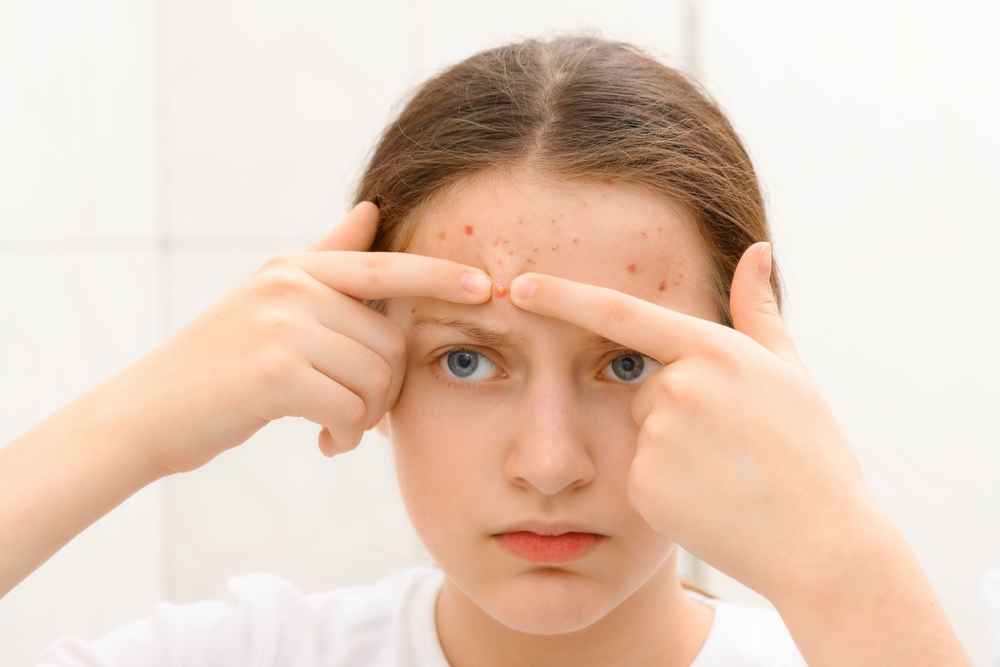
Myths can be harmful in a number of different areas, and the realm of teen acne is a top example. Sadly, there are a number of teen acne myths out there that not only provide teens with improper information, but also may lead them toward habits or behaviors that actually worsen their skin rather than improving it.
At Skintherapy Skincare & Acne Clinic, we're here to help. We offer the best acne treatment for teens around Salt Lake City and nearby parts of Utah, plus we play the vital role of properly informing our patients about their acne and proper treatment approaches. Here are some of the reasons why misinformation is so problematic when it comes to teens and acne, plus some of the most common teen acne myths - and correct information in each area to set you straight.
There are a few reasons why misinformation about acne can be harmful, especially for teenagers.
Firstly, acne can have a significant impact on teenagers' self-esteem and confidence. It is a common skin condition that affects many adolescents, but it can still cause embarrassment and make teens feel self-conscious. If incorrect information is passed on to them, it could lead to further frustration and stress, potentially worsening their perception of their appearance.
Secondly, using the wrong treatments or methods to manage acne can actually make it worse. This is because different types of acne require different approaches and products. Using the wrong treatment can aggravate the skin and potentially cause scarring or other long-term damage.
Finally, misinformation about acne can lead to unnecessary spending on ineffective products or treatments. Many people fall victim to marketing tactics and believe that expensive products equate to better results. However, this is not always the case and can result in wasted money.
While this isn't necessarily an exhaustive list, here are some of the most common teen acne myths out there - and the correct information in each area:
You can really substitute any type of food here for chocolate and still find plenty of people who believe that it causes acne. But the truth is that foods like chocolate (or others) have not been scientifically proven to cause acne. While some studies have suggested a possible link between diet and acne, there isn't enough evidence to say for sure that certain foods directly cause breakouts.
It's true that most people experience acne during their teenage years due to hormonal changes. However, adults can also experience acne, whether it's due to hormonal imbalances or other factors such as stress, diet, or genetics. In fact, adult-onset acne is becoming increasingly common.
While it may be tempting to pop or squeeze a pimple, this can actually make the situation worse. Picking at or popping pimples can cause the bacteria and oil to spread, leading to more breakouts and even scarring. It's best to let pimples heal on their own or seek professional treatment if necessary.
While this may indeed be true if your face washing frequency was too low in the past, there's a limit point at which more face washing actually starts to harm your skin more than it helps. Overwashing can strip the skin of its natural oils and disrupt its pH balance, leading to dryness, irritation, and even more breakouts. It's important to find a balance and not overdo it with face washing.
Instead of subscribing to myths like those we went over above, it's important for teenagers to establish evidence-based acne care habits. These can help reduce the frequency and severity of breakouts and promote overall skin health. Here are some tips for incorporating evidence-based practices into your skincare routine:
At Skintherapy Skincare & Acne Clinic, we're here to offer the best acne treatment for teens around SLC and nearby parts of Utah. Contact us today to learn more or get started!


Copyright SkinTherapy Skincare & Acne Clinic. All Rights Reserved. Website Built by SEO Werkz