
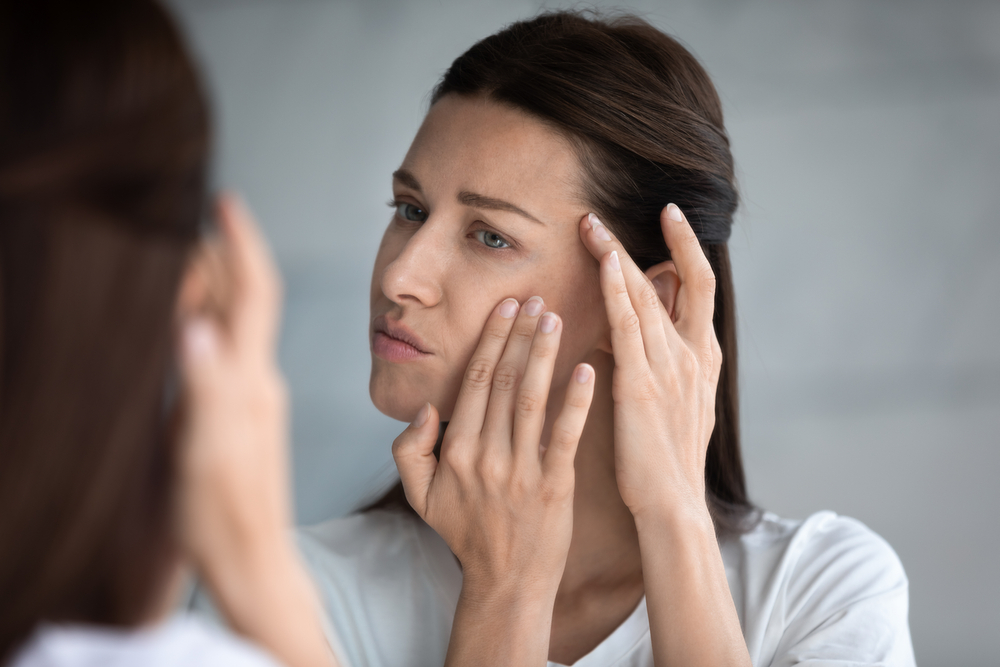
Most people view their 20s as the decade of peak skin health and resilience. While your complexion may look flawless now, the biological foundations of your skin are already beginning a subtle shift. This period marks the quiet transition where the body moves from a state of growth to a phase of gradual maintenance.
Understanding how to preserve your natural protein stores early on is the most effective way to maintain long-term skin health. At Skintherapy Skincare & Acne Clinic in Salt Lake City, Utah, we specialize in proactive care to keep your complexion vibrant. If you are ready to start a professional regimen, book an anti-aging treatment to protect your glow for years to come. Read on to learn about why collagen production begins declining in your 20s, the risks this carries, and what you can do about it.
Collagen loss in the 20s typically starts at a rate of about one percent per year. This internal change occurs deep within the dermis, long before you notice any physical changes in the mirror. Because the skin still appears plump and hydrated, many individuals neglect preventative measures during this critical window.
The natural process of skin cell renewal begins to slow down slightly as you exit your teens and enter adulthood. Specialized cells called fibroblasts, which are responsible for weaving new collagen fibers, become less efficient over time. This structural thinning happens beneath the surface, often without any visible warning signs like sagging or deep folds. Starting an anti-aging treatment early allows you to maintain your existing collagen rather than trying to rebuild it later in life.
Ultraviolet radiation is the primary external factor that accelerates the biological timeline of collagen loss in the 20s. When UVA rays penetrate the skin, they reach the deeper layers where they disrupt the scaffolding that keeps your skin firm. This process triggers the production of enzymes that actively dismantle healthy protein structures through a process known as photoaging.
Sun exposure also creates unstable molecules known as free radicals that attack the healthy cells responsible for skin repair. The damage from brief, daily exposure adds up over the years to cause noticeable structural changes and weaken the skin's moisture barrier. Consistently protecting the skin from these rays is the most vital step in any professional anti-aging treatment plan.
While you might feel young, the cumulative effect of collagen loss in the 20s eventually manifests in specific ways. As the internal support system weakens, the skin loses its ability to "snap back" after movement or environmental stress. These changes often appear first in high-movement areas like the eyes and forehead.
The goal of a modern anti-aging treatment is to stimulate new growth while shielding your existing proteins from further damage. By combining medical-grade topical products with professional office visits, you can effectively hit the pause button on structural aging. Consistency is the most important factor when implementing these protective strategies.
Taking action against collagen loss in your 20s ensures that your skin remains resilient as you age. Our experts understand the unique environmental stressors that Utah residents face throughout the changing seasons. Contact Skintherapy Skincare & Acne Clinic in Salt Lake City, Utah, to schedule a consultation and customize your preventive plan today.


Copyright SkinTherapy Skincare & Acne Clinic. All Rights Reserved. Website Built by SEO Werkz